Constipation After Sleeve Surgery: Causes, Symptoms, and Treatment

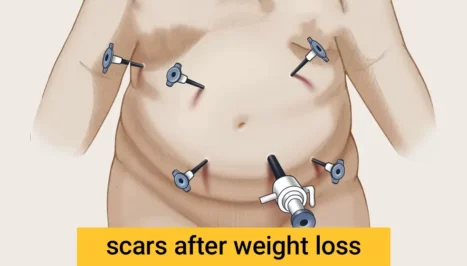
Sleeve gastrectomy, also known as sleeve surgery, is a common bariatric procedure that involves removing a significant portion of the stomach to reduce its size. This surgery helps with weight loss by limiting the amount of food you can eat and reducing appetite. While generally safe and effective, some postoperative complications may occur. One of the most common complications is constipation after sleeve surgery. In this article, we will review the causes, symptoms, and treatment options for constipation after sleeve surgery.
Constipation After Sleeve Surgery at a Glance
| Topic | Details |
|---|---|
| Definition of Sleeve Surgery | A weight-loss procedure that removes a large portion of the stomach, creating a tube-shaped stomach that limits food intake and reduces hunger hormones. |
| Causes of Postoperative Constipation | Diet changes, medications and supplements (painkillers, iron), dehydration, reduced physical activity, decreased intake of fiber-rich foods |
| Symptoms of Constipation | Hard and infrequent stools, abdominal pain and bloating, feeling of incomplete evacuation, fewer than 3 bowel movements per week |
| Prevention | Adequate fiber intake (vegetables, fruits, whole grains), drinking 1.5–2 liters of water daily, regular physical activity, avoid unnecessary use of painkillers |
| Treatment | Mild laxatives (psyllium, lactulose), stool softeners, probiotics, abdominal massage, prescription medications in severe cases |
| Warning Signs | Constipation lasting more than 1 week, rectal bleeding, severe abdominal pain, nausea or vomiting, inability to pass gas |
| Important Notes | Constipation is common in the first weeks after surgery, usually improves as the body adjusts, consult your doctor if it persists |
What Causes Constipation After Sleeve Surgery?
Several factors can contribute to constipation after sleeve surgery, including:
Significant Changes in Diet and Lifestyle
After sleeve surgery, patients follow a new diet plan that includes small meals and avoids certain foods and beverages. Changes in diet and lifestyle can affect bowel movements, naturally leading to constipation after sleeve surgery.
Use of Certain Medications and Supplements
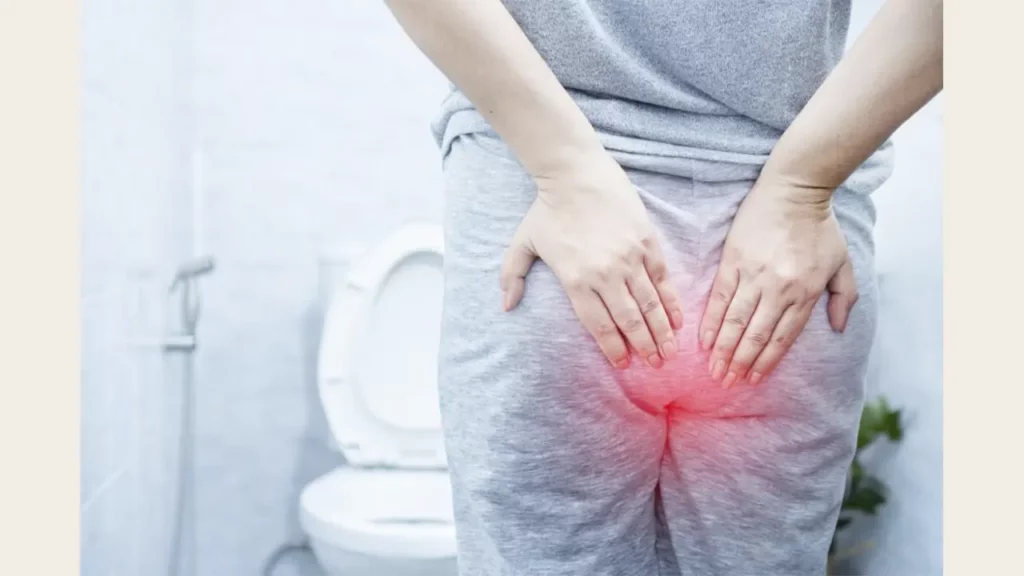
Medications and supplements often prescribed after sleeve surgery—such as painkillers and iron supplements—can cause constipation after sleeve surgery as a side effect.
Dehydration and Inadequate Fluid Intake
Patients who do not drink enough fluids or experience dehydration may develop constipation. The body attempts to conserve water, reducing stool softness and leading to difficult bowel movements.

Reduced Physical Activity
Postoperative pain and discomfort can limit physical activity, which may slow bowel function and contribute to constipation after sleeve surgery.
What Are the Symptoms of Constipation After Sleeve Surgery?
Common symptoms of constipation after sleeve surgery include:
- Difficulty passing stools
- Straining or noisy bowel movements
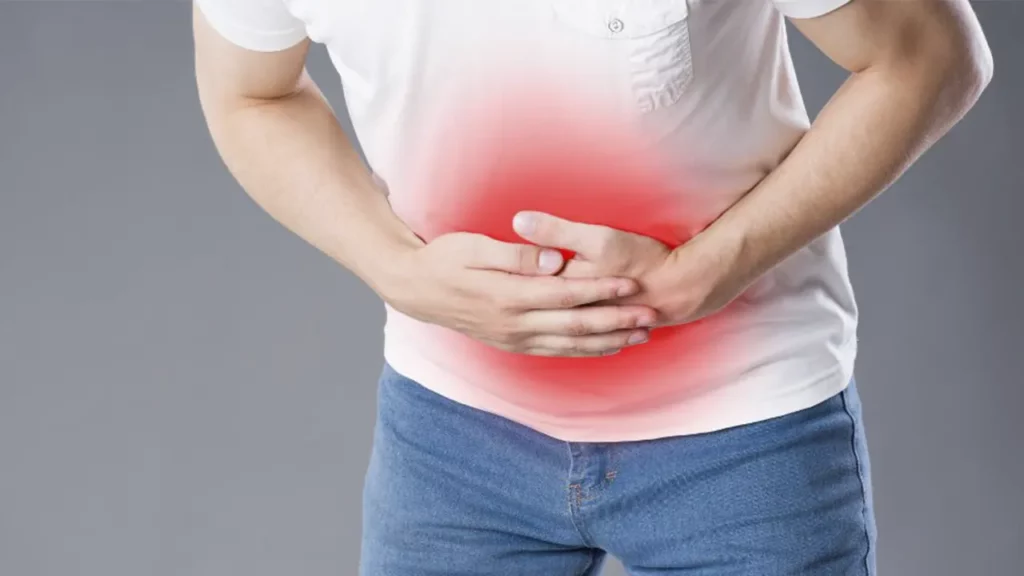
- Abdominal pain and discomfort
- Bloating and frequent gas
How to Prevent Constipation After Bariatric Surgery
Fortunately, several measures can help prevent constipation after sleeve surgery:

- Maintain a fiber-rich diet: Eat a balanced diet with plenty of vegetables, fruits, and whole grains to regulate bowel movements.
- Drink enough fluids: Adequate water and other recommended fluids are essential to prevent constipation.
- Exercise regularly: Physical activity stimulates bowel movements; gradually increase activity as recovery progresses.
- Monitor medications and supplements: Discuss with your doctor whether any prescribed medications or supplements could contribute to constipation.
How Is Constipation Treated After Sleeve Surgery?
If constipation occurs after bariatric surgery, treatment options include:

- Over-the-counter laxatives and stool softeners: Mild laxatives and stool softeners can relieve constipation.
- Prescription medications: If OTC options are ineffective, prescription medications may be required.
- Dietary adjustments and fiber supplements: Modifying the diet or using fiber supplements can help prevent and relieve constipation.
- Abdominal massage or physiotherapy: Gentle massage can stimulate bowel movements and alleviate constipation.
When Should You Seek Medical Help for Constipation After Bariatric Surgery?
Constipation after bariatric surgery is generally not serious, but some warning signs require prompt medical attention:
- Severe abdominal pain or cramping
- Blood in the stool
- Nausea or vomiting
- Inability to pass gas or stools
Frequently Asked Questions
Constipation is a common complication after sleeve surgery. Studies indicate that up to 40% of patients experience constipation postoperatively.
The duration varies between individuals, but in most cases, constipation is temporary and resolves within a few days to a few weeks.